As urban populations continue to grow, cities worldwide are focusing on revitalizing their public spaces to strengthen community bonds and enhance quality of life. This resurgence in the use of shared areas reflects a broader shift towards urban placemaking, an approach that prioritizes the needs and experiences of city residents.
Defining urban placemaking and its significance
Urban placemaking is a multifaceted strategy that involves planning, designing, and managing public spaces to boost community engagement and foster a sense of belonging. It emphasizes the active participation of residents, local businesses, and stakeholders in shaping environments that reflect their social and cultural identities. This practice is gaining traction as cities seek to counteract the effects of urban sprawl, isolation, and decreasing civic interaction.
Examples of successful urban placemaking initiatives
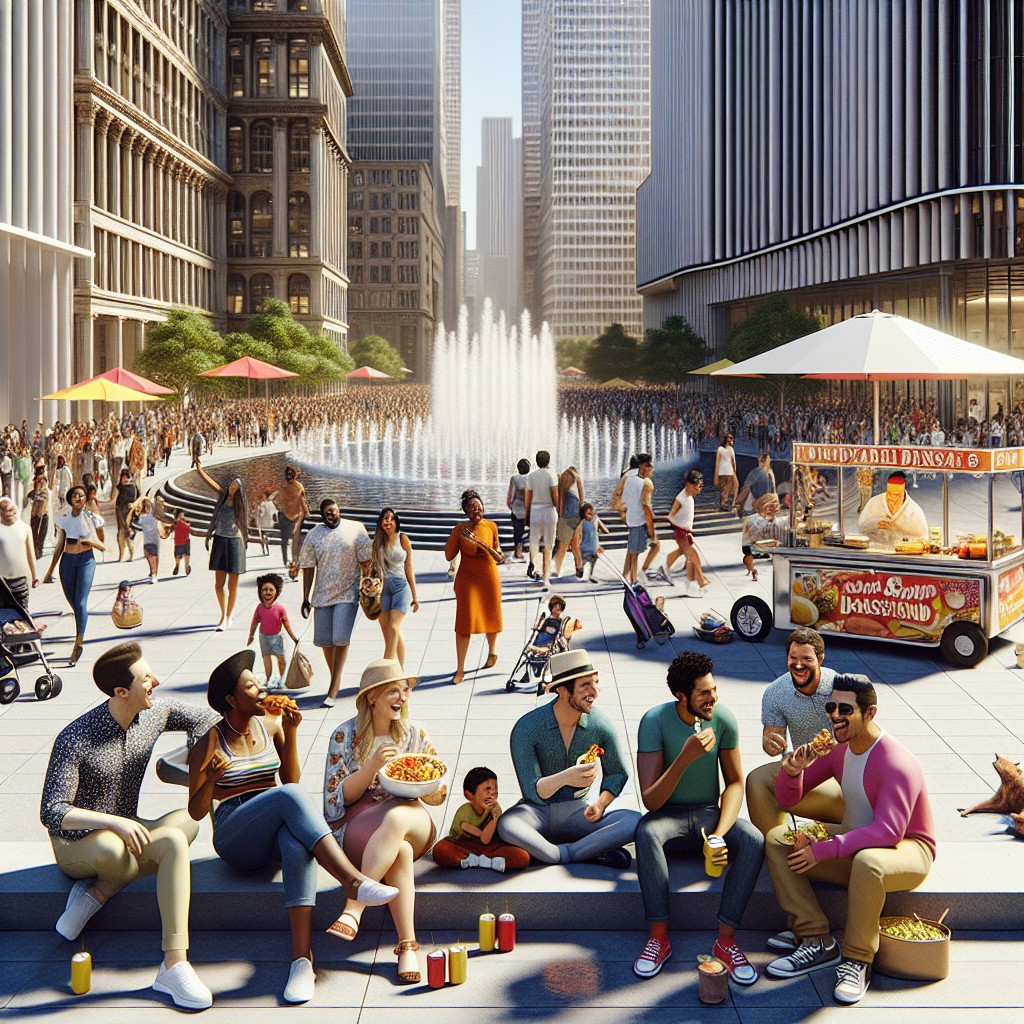
Several cities have implemented notable urban placemaking projects that serve as models. For instance, Copenhagen’s extensive network of pedestrian zones and green spaces has transformed the city into one of the most liveable metropolises globally. Likewise, New York City’s pedestrian plazas, such as those in Times Square and Herald Square, have significantly reduced congestion and created lively social hubs. These examples illustrate how targeted interventions can reclaim space from vehicles and commercial traffic to prioritize human connection.
Impact on social life and community wellbeing
The redesign of public spaces through urban placemaking directly influences social interactions by providing accessible and inviting environments. Parks, plazas, and community gardens offer venues for diverse gatherings, from cultural events to informal meetings. Research indicates that increased use of quality public spaces correlates with improvements in mental health, social cohesion, and reduced crime rates, underscoring their role as essential urban infrastructure.
Challenges faced in implementing urban placemaking
Despite the benefits, urban placemaking projects encounter challenges such as funding constraints, conflicting interests among stakeholders, and maintenance issues. Additionally, ensuring inclusivity remains a critical concern, as marginalized communities may be excluded if their needs are not prioritized. Effective placemaking requires continuous dialogue, adaptability, and comprehensive planning to balance diverse urban demands.
The future of public spaces in urban environments
Looking ahead, the evolution of urban placemaking is expected to incorporate technological integration to enhance user experiences and promote sustainability. Smart city innovations, such as sensor-based lighting and environmental monitoring, will likely support more responsive and safe public areas. Furthermore, post-pandemic urban designs focus on flexibility and health considerations, emphasizing outdoor environments as essential for social resilience.
In conclusion, as cities confront increasing density and evolving societal needs, urban placemaking stands out as a vital approach to reshape public spaces. By fostering inclusive, engaging, and adaptable environments, cities can revitalize social life and enhance urban wellbeing.
Frequently Asked Questions about urban placemaking
What is urban placemaking and why is it important?
Urban placemaking is the process of designing and managing public spaces to foster community interaction and engagement. It is important because it strengthens social ties, improves mental health, and creates inclusive environments that reflect the needs of residents.
How does urban placemaking improve social life in cities?
By enhancing accessibility and attractiveness of public spaces, urban placemaking encourages diverse social activities and community events, leading to stronger neighborhood connections and increased civic participation.
What are some common challenges in urban placemaking projects?
Challenges include securing funding, balancing the interests of various stakeholders, ensuring equitable access for all community members, and maintaining the spaces sustainably over time.
How can technology influence urban placemaking?
Technology can improve urban placemaking by providing tools for better space management, improving safety with smart lighting, and facilitating communication between residents and city planners to adapt spaces effectively.
Which organizations are leading efforts in urban placemaking?
Global organizations such as the United Nations Human Settlements Programme (UN-Habitat) and the World Resources Institute (WRI) are at the forefront of promoting sustainable and inclusive urban placemaking practices worldwide.